
Harrison County Criminal Docket Searches
Harrison County gives the public two CaseLook channels. There is no single statewide criminal search. For a misdemeanor, a County Court criminal setting, a traffic-related matter, or a preliminary felony event, begin with County Court CaseLook. An indicted felony or another Common Pleas Criminal record belongs in Common Pleas CaseLook. Both portals warn that displayed data can lag court action. The lag is at least 24 hours. When timing matters, trust the newest entry or ask the clerk.
Before searching, gather the court name, a party name, or the exact numeric case number. County Court accepts a Party or Company Name in Last, First form. It can also narrow results by hearing, file, or violation date. Common Pleas takes one criterion at a time. It requires its CAPTCHA, and it wants numbers only in the case-number field. A broad category search works as a starting point. But a precise case header is safer for separating matters with similar names.
- Identify whether the matter is a County Court misdemeanor, traffic-related event, preliminary felony, or Common Pleas felony.
- Open the matching CaseLook portal and accept its public-access notice before searching by name, date, or numeric case number.
- Open the matching record, check the case header and charge block, and read the chronological Docket Entries through the newest date.
- Compare the hearing information with the current calendar only as a scheduling check, not as a final outcome.
- Ask County Court at 740-942-8865 or the Common Pleas Clerk at 740-942-8863 for confirmation, a plain copy, or a certified copy when needed.
Note: Henschen eFiling is a login-based filing workflow for registered users, not a public criminal-docket search.
Harrison Criminal Case Families
County Court CaseLook sorts its public records into case families before a result even opens. CRA and CRB are the local Criminal Cases groups. TRC and TRD are the Traffic Cases groups. They can still matter when a citation carries a criminal or misdemeanor issue. The portal treats these strings as family labels. It publishes no universal plain-language decoder for every suffix. A letter attached to a base number can also separate related charges. So read a number together with its case type, never alone.
- CRA / CRB
- County Court CaseLook criminal-case families for matters within County Court jurisdiction.
- TRC / TRD
- County Court traffic-case families, which may display charge and traffic-specific fields.
- CR
- The Common Pleas CaseLook checkbox used for Criminal cases, including felony records handled by that court.
- Docket Entries
- The County Court chronological activity list, rather than a promise that every filed document is available online.
Ohio county-court jurisdiction law draws the line between County Court matters and the Common Pleas felony docket. The local label is a starting point, nothing more. It tells you which Harrison County docket to search first. It does not say whether a charge was proved or how the case ended.
For a felony record, the official Harrison County Common Pleas Court information is the court-level reference worth checking. The General Division there is the felony trial court. A County Court entry, by contrast, may only capture an early stage. That stage may come before a felony moves up.
Common Pleas CaseLook’s criminal search form shows what that separate felony channel looks like in practice.
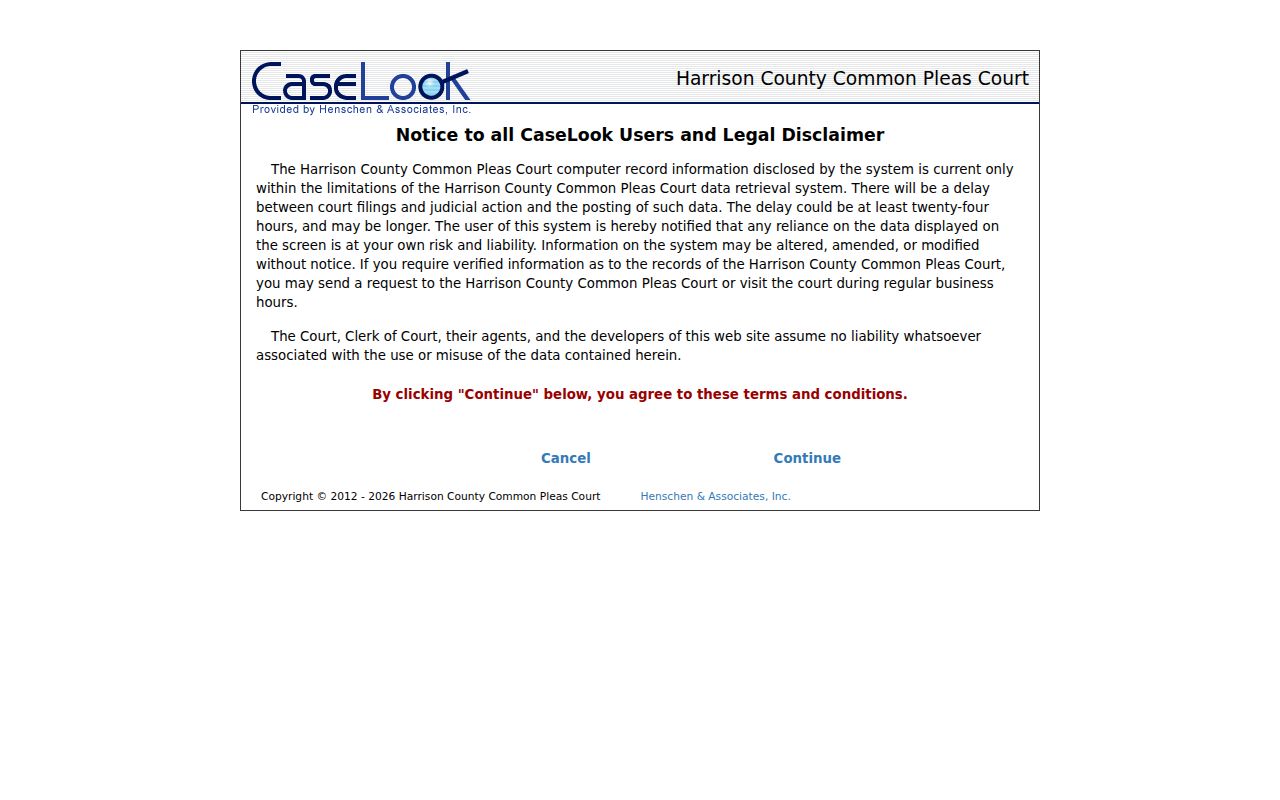
That interface offers a Criminal checkbox and a numeric-only case-number option. The design reinforces a simple point. A County Court case-family search and a Common Pleas criminal search are not the same lookup.
Criminal Dockets: What They Show
A County Court criminal record may display the case header and type, charge or violation information, party and official fields, hearing information, status, and financial fields. It may also show disposition and Docket Entries. The layout you see depends on the case type. Traffic-oriented records can include fields such as BMV points, bond, waiver, and amounts owed. Not every criminal record carries every traffic field. Read the charge block before drawing meaning from a setting label. Read the disposition block only for an actual recorded outcome.
| Case number | A court-assigned header with a local family, such as CRA, CRB, TRC, or TRD; use the portal’s numbers-only instruction where shown. |
|---|---|
| Charge block | May include the filing or violation date, statutory section, short description, degree, and traffic fields where applicable. |
| Hearing information | Date, time, type, judge initials, mandatory indicator, attorney fields, and related setting details when the record has them. |
| Financials | Fine, cost, paid, balance, bond, or waiver fields when recorded; these are not a substitute for the disposition. |
| Disposition and entries | Plea, finding, disposition date or text, and the chronological Docket Entries that place events in order. |
Neither generic CaseLook form promises a downloadable PDF for each line. A docket line can identify an order or event. The actual filed entry, or a clerk-certified copy, is a separate record request.
Harrison Criminal Hearing Labels
The County Court schedule displays ARRAIGNMENT, PRE-TRIAL, MOTION HEARING, SHOW CAUSE, BENCH TRIAL, SENTENCING, REVIEW, and WARRANT. Each label identifies the type or status of a listed setting. They are not a complete court glossary. Most do not reveal why an event was set or what happened afterward. A motion hearing can show that the court considered a request, for example, but the later entry or order supplies the ruling.
Arraignment is an early setting for addressing the charge and plea. PRE-TRIAL is a setting before trial. BENCH TRIAL means a judge trial setting. REVIEW is a follow-up event. A SENTENCING row alone does not state the sentence. A WARRANT row is a public schedule label, not proof of its basis or present validity. For each label, compare the event with the newest Docket Entries line and ask the court whether the status is current. Ohio’s county-court jurisdiction chapter is the court-level source for reading those County Court schedule labels in their proper setting.
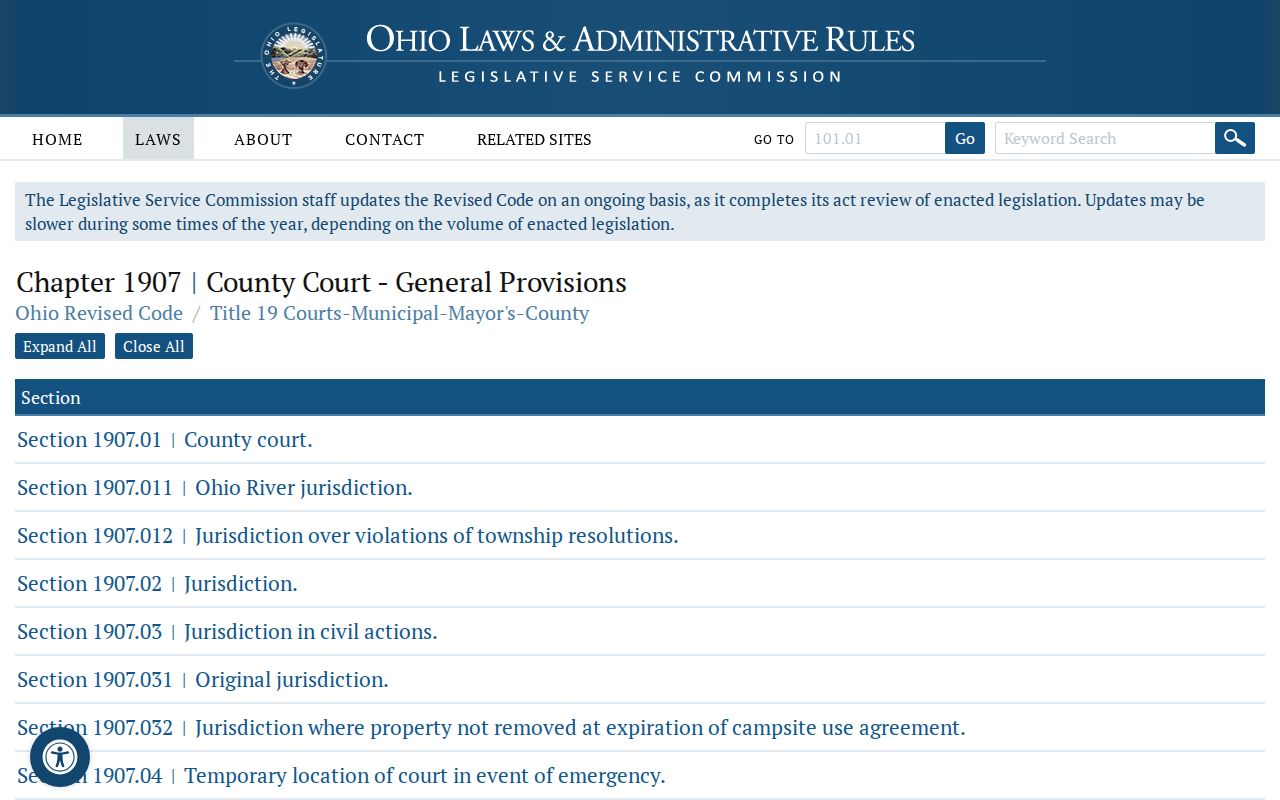
Jurisdiction is the first question behind any schedule row. The record’s court header and charge level determine which Harrison docket should give the current answer.
Criminal Case Stages on the Docket
Read a criminal docket in the order things happened. That works better than hunting for one label. A County Court matter might open with a complaint, then roll through arraignment, a pre-trial setting, motion hearings, a trial setting, and finally a judgment or sentencing entry. Preliminary felony work often shows up there first too. Later, an indictment can shift the felony docket into Common Pleas. Neither register is wrong; the case simply crossed courts.
Docket flow: Filing › Arraignment › Pretrial › Plea or Trial › Disposition › Sentencing
Keep stages and outcomes separate on a docket entry. A plea, a finding, or a judgment entry tells you far more than a scheduled hearing ever can. Newer entries also replace old court dates or note a continuance. So read in date order.
Harrison Felony Docket Routing
Misdemeanors anywhere in Harrison County belong to County Court, which also handles preliminary felony proceedings. Common Pleas General Division is the felony trial court. A complaint or preliminary hearing in County Court can grow into a full Common Pleas Criminal docket after bindover or indictment. Unsure of the charge level? Search both public CaseLook systems. The case header on either one points to the court now holding the record.
| Record stage | Likely Harrison channel | Practical follow-up |
|---|---|---|
| Misdemeanor or County Court setting | County Court CaseLook, CRA/CRB where applicable | Read Docket Entries and call County Court for verified status. |
| Preliminary felony event | County Court may be the initial venue | Check Common Pleas CR after bindover or indictment. |
| Indicted felony | Common Pleas CaseLook, Criminal (CR) | Contact the Clerk for an actual or certified entry. |
| Appeal from a local order | Seventh District route through the Harrison Clerk | Expect a new appellate record rather than every filing on the lower-court docket. |
The Harrison Clerk's legal divisions include Criminal and the Seventh District Court of Appeals. That is why a Common Pleas screen is often the right next stop even when the first record came from County Court. The Common Pleas Court's official county page is the court's own reference for that felony path.
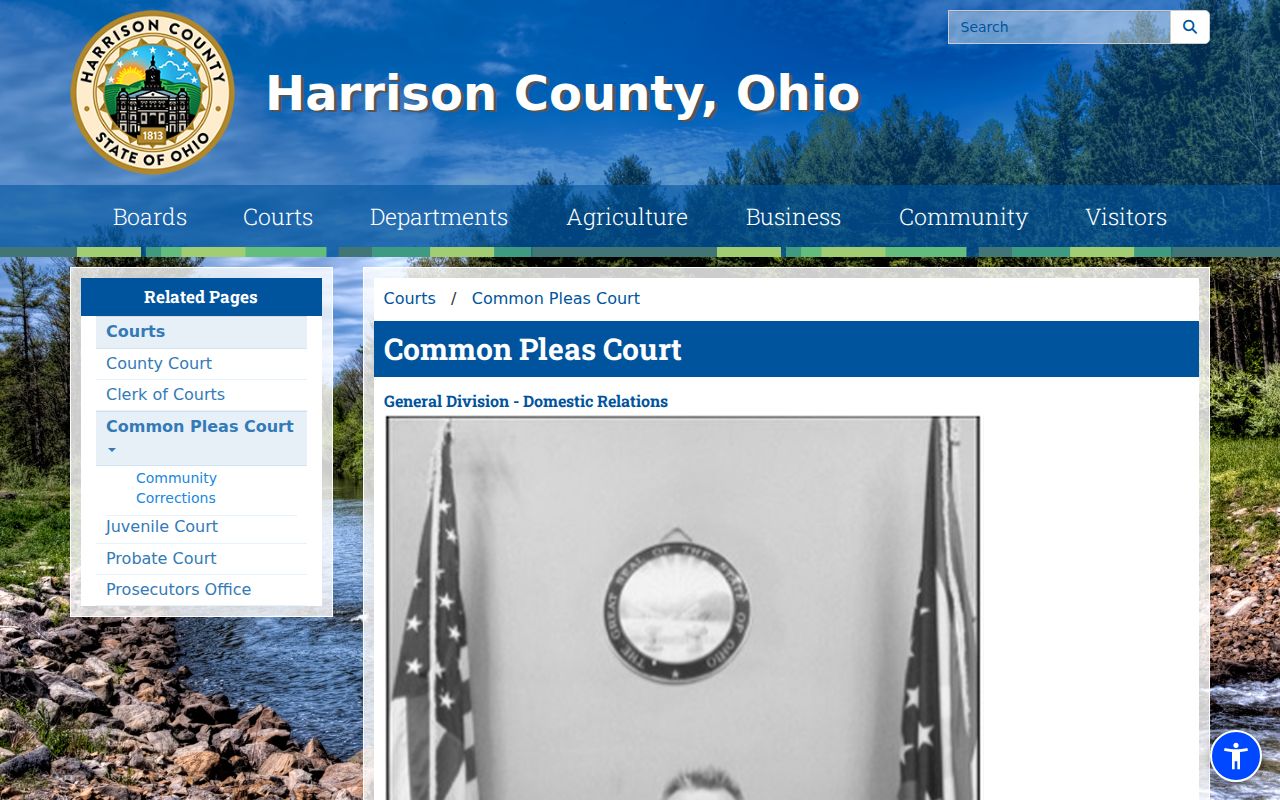
A felony record that seems inactive in County Court may simply have moved. Common Pleas is the place to confirm it. That court holds the felony docket once the case is bound over or indicted.
Harrison County Criminal Docket Courts
County Court CaseLook is the practical first search for misdemeanors, County Court criminal settings, traffic-related events, and preliminary felony proceedings. Common Pleas CaseLook is the first search for an indictment, a felony docket, or a Common Pleas sentencing entry. The County Court territorial jurisdiction covers Harrison County, including Cadiz, Hopedale, Jewett, Scio, and Bowerston. Research did not identify separate municipal-court docket systems for those villages.
The Criminal checkbox on Common Pleas CaseLook is labeled CR. The County Court Criminal Cases options are CRA and CRB. These controls help narrow a search but cannot supply data that has not posted, is restricted, or belongs to another division. Probate and Juvenile use their own court channels, and an appellate case is not simply an extension of every lower-court entry.
For a failed search, repeat the inquiry at the other court level, check the official schedule for a current setting, and call the clerk who keeps that court’s docket. There is no single statewide Ohio criminal-docket portal that replaces this Harrison-specific routing.
Harrison Criminal Search Delays
Both Harrison CaseLook systems carry the same warning. Displayed information can lag a filing or judicial action by at least 24 hours. The lag bites hardest around a charge, plea, sentencing, reset, or appeal transition. A missing new case means little. So does an older listed setting. The right move is to identify the court from the record and ask that court what it currently maintains.
When the record is less than a day old: retain the case or citation number, check the newest Docket Entries line, then contact County Court at 740-942-8865 or the Common Pleas Clerk at 740-942-8863 instead of assuming an online gap settles the question.
The Harrison County Juvenile Court runs on its own channel. It is not a public CaseLook substitute for juvenile matters.
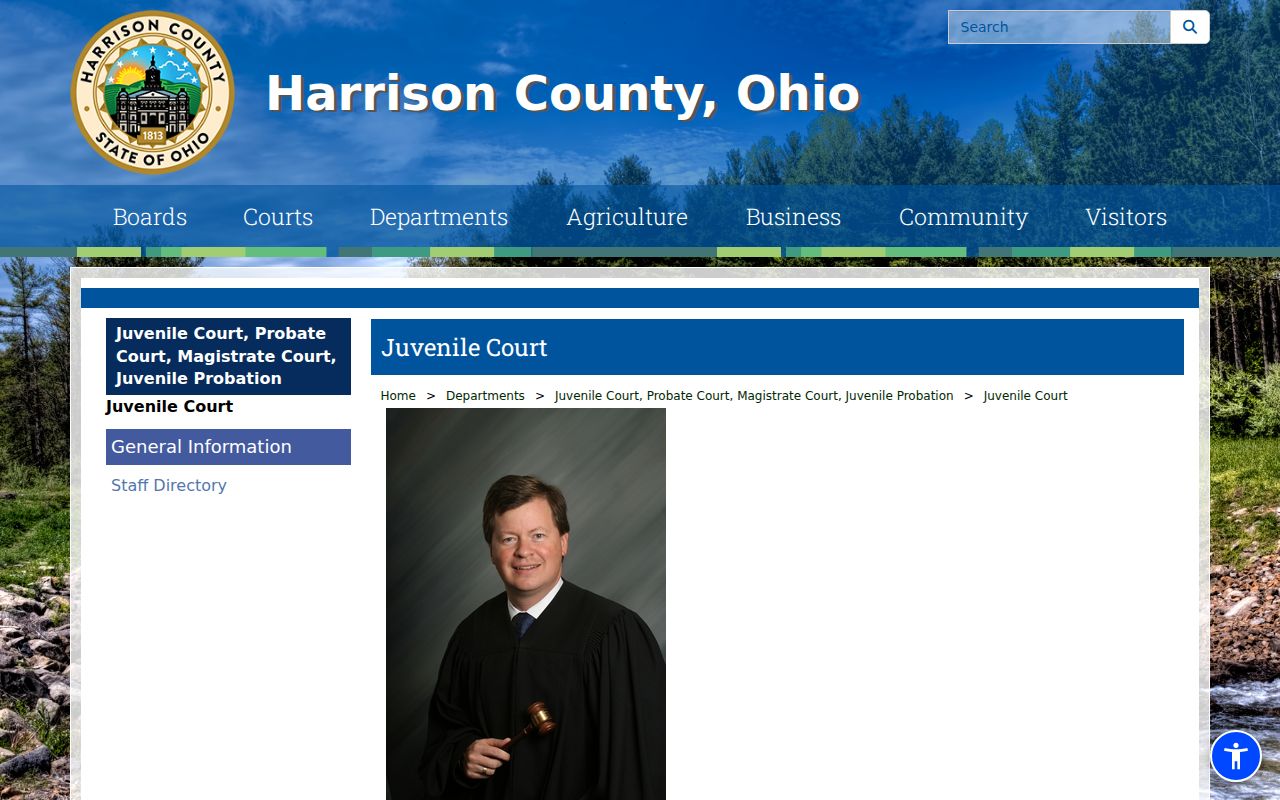
Juvenile Court's separate channel carries a lesson. A failed public criminal search can reflect jurisdiction or access limits, not just bad search terms.
Access Rules for Criminal Dockets
Ohio court records are generally open. A public CaseLook result is a reference view, though, not the certified original. For the real thing, go to the proper court or clerk counter, call, visit during regular courthouse hours, and request copies. County Court answers at 740-942-8865. For a Common Pleas criminal record, the Clerk answers at 740-942-8863. Have the court, case number, document name, and copy type ready. A record can be restricted, redacted, sealed, or simply absent online. Never guess the reason from a blank result. Sealing or expungement requests go to the sentencing court under Ohio law. Juvenile delinquency and juvenile traffic files are not ordinary public County Court criminal searches. The Juvenile Court's restricted-access route is the contact path for those.
Key rules:
Ohio Sup.R. 44-47 governs public access to court records and supports direct access during regular business hours, subject to restrictions.
Ohio Revised Code 2953.32 provides the statutory route for eligible sealing or expungement relief through the sentencing court.
Ohio Revised Code 2151.14 treats juvenile probation reports and records as confidential except as the law provides.
Harrison Juvenile Docket Limits
Juvenile delinquency, unruly, truancy, juvenile traffic, abuse and neglect, dependency, and listed custody matters run through the Harrison Juvenile Court. They do not run through a public County Court criminal CaseLook search. That division publishes no public docket interface, which fits the protected nature of juvenile records. A public portal should never be pushed to reveal what a court keeps private. For a juvenile matter, call the Juvenile Court at 740-942-8862 and ask which access channel applies. The court can say whether a record is available. It can also say whether a proper request or order is required. That inquiry is nothing like repeating a public name search. The Ohio juvenile-record confidentiality statute is the official legal source for that limit.
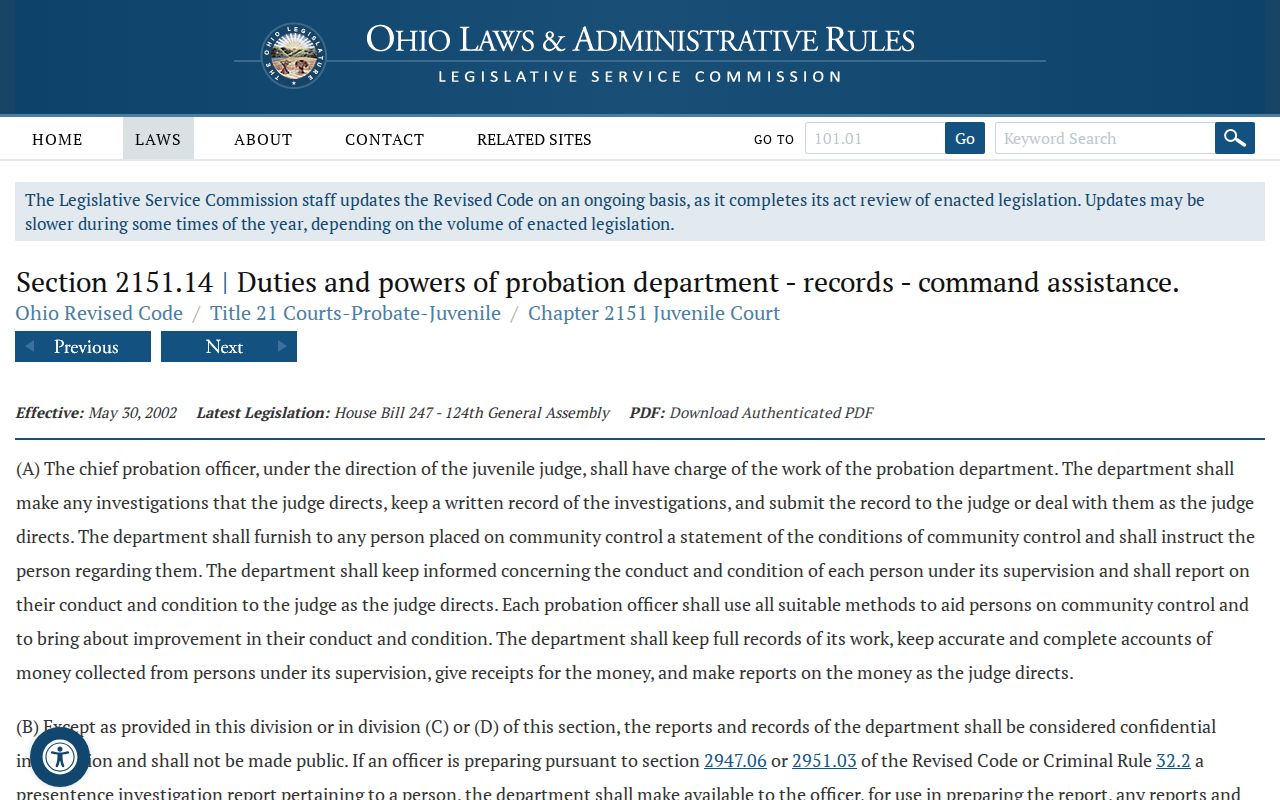
Juvenile cases sit apart from Harrison County's adult criminal docket. Even when adult court records surface through the public CaseLook channel, protected juvenile material stays off limits unless the Juvenile Court grants access. What looks like a gap online is often a closed door, not an empty shelf. For adults, Ohio's sealing and expungement law spells out when a criminal record stops being open to public review. That statute is the first place to turn.
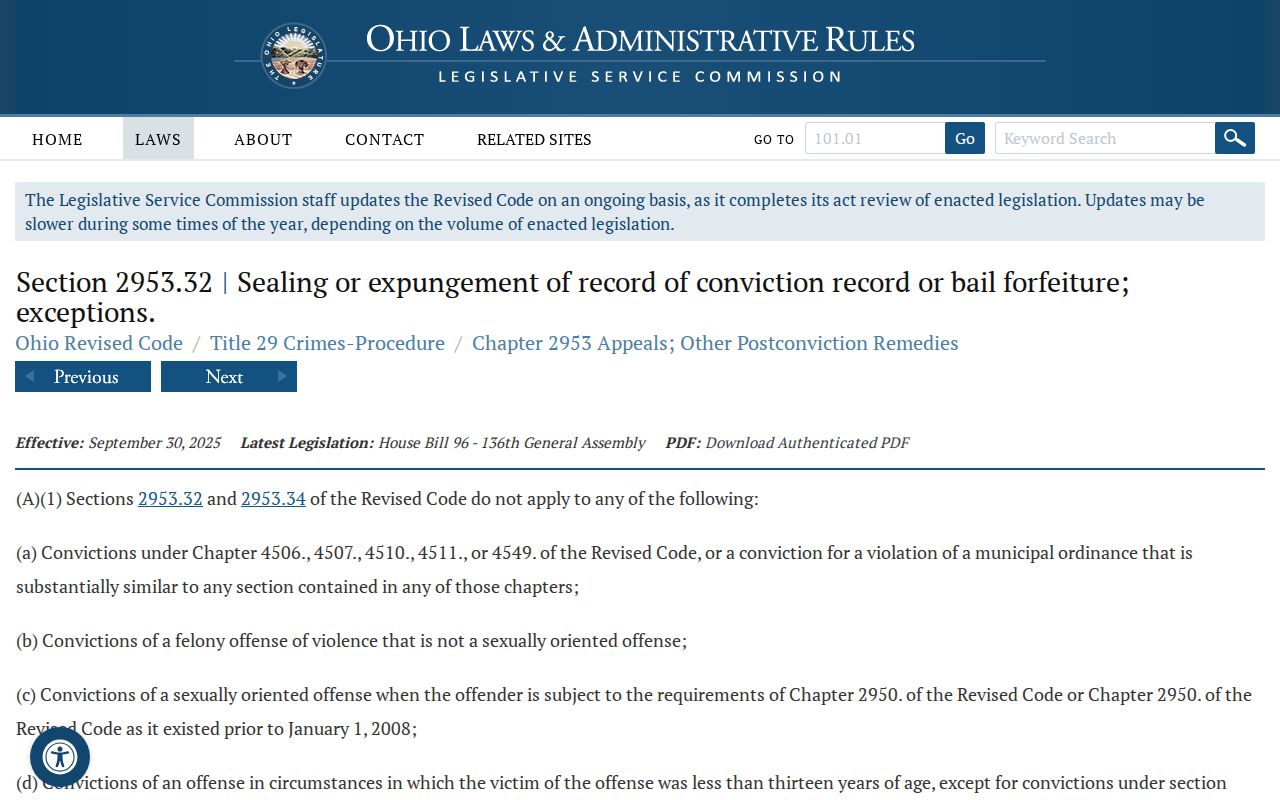
A sealing question belongs with the sentencing court and its clerk. Reading a blank or limited online docket result as an answer is a mistake.